英文解読練習として英語のニュースから日本語に翻訳された記事をよく読んでいますか?このコーナーではそんな世界の面白いニュースとその日本語訳をピックアップしてご紹介します。リーディングや外国人に話しかける時にも、緊張をほぐして、会話のきっかけとしていかがですか?
英語:“Cuba’s cherished ballet tradition endures through daily blackouts and shortages”
For months, two-thirds of Cuba had no electricity at night. Some neighborhoods in the capital of Havana have been without running water for more than two weeks. Transportation is scarce and eggs, bread and cooking oil are hard to find.
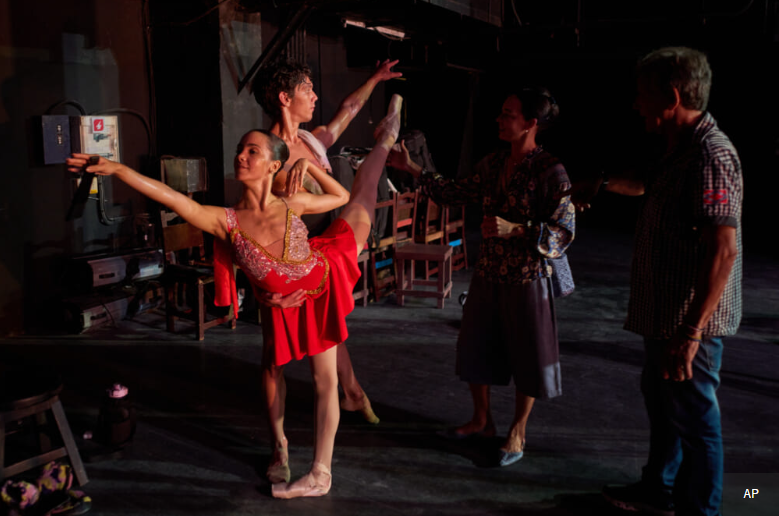
Yet every morning, about 178 young students gather for classes at the National Ballet School in the capital. Housed in an imposing art nouveau building in the heart of Old Havana, the school combines rigorous dance training with academic classes in math, Spanish, history and science.
Training to become a top-tier classical dancer anywhere demands discipline and sacrifice. In Cuba today, where blackouts and shortages of fuel, water and food complicate daily life, those demands extend far beyond the dance studio.
For 14-year-old Roxana Pérez de la Mora, that means waking up before dawn and traveling about 20 kilometers from her home to the school.
“Sometimes I tell my mom I don’t feel like going, but missing it could cause problems for me later in training,” she said. “I’ve always said that my dream is to be a prima ballerina.”
Despite Cuba’s ongoing crises, classical ballet remains a celebrated part of the country’s culture, nearly as popular on the island as baseball. Over the decades, Cuba has produced internationally renowned dancers and choreographers whose careers are closely followed by a knowledgeable ballet audience.
The Cuban National Ballet, founded in the 1940s by revered ballerina Alicia Alonso and her husband Fernando Alonso, is considered one of the world’s most prestigious companies. Tickets cost less than $1 (¥160), while comparable performances elsewhere can cost as much as $300 (¥47,000).
For its season-ending gala in August, the company presented Canto Vital, a work by Russian choreographer Azari Plisetski to music by Gustav Mahler. The performance starred Dani Hernández, a principal dancer who also directs the National Ballet School, where Roxana trains each day.
Fuel shortages had left the streets nearly empty that night, but the Avellaneda Hall at the National Theater of Cuba was packed with elegantly dressed patrons, their hair and makeup styled for the occasion. The audience gave a standing ovation, shouting “Bravo!”
The combination of demanding leadership at the National Ballet and rigorous training at a public school has helped produce dozens of prominent dancers. Some have gone on to become principals at leading companies, including the Paris Opera Ballet, the Royal Ballet in London and the American Ballet Theatre in New York.
Hernández, the professional dancer and teacher, rides an electric motorcycle every day from his apartment in Havana to ballet class — a risky commute for someone whose career depends on avoiding injury.
During recent persistent blackouts, heat and mosquitoes forced the 37-year-old to sleep on the terrace of his apartment building.
“Whether I have electricity or not, I have to be in the studio,” he said. “But I keep thinking: Will the food in my refrigerator spoil?”
Hernández expressed his worry about how the country’s mounting crises could affect future generations of dancers.
“The entire situation we’re experiencing today could affect a generation of students training in ballet, dance, music, the visual arts,” he said in an interview with The Associated Press. “And it’s been the same for all other fields: engineering, medicine, education, everything else.”
Yet classical ballet remains a source of national pride while maintaining its internationally recognized standards — a sign of resilience that is reflected in the performing art’s broad appeal among people from all parts of Cuban society.
“It’s one of those things where you go out on the street and say, ‘Hey, I saw the ballet,’ and everyone starts talking to you about ballet,” he said.
日本語:“キューバ、電力危機に耐えるバレエの伝統”
何ヵ月もの間、キューバの3分の2では夜間の停電が続いている。首都ハバナの一部地域では2週間以上、水道水が出ない状態だ。交通機関が乏しく、卵やパン、食用油を見つけるのが困難になっている。
それでも毎朝、若い生徒約178人が首都にある国立バレエ学校の授業に集まっている。ハバナ旧市街地中心部の立派なアールヌーボー(19世紀末から20世紀にかけて流行した装飾様式)の建物に入っているこの学校は、数学、スペイン語、歴史、科学の学術的な授業と厳しいダンスの訓練を組み合わせている。
どこであれ、一流のクラシックダンサーになるための訓練には、自制と犠牲が求められる。そうした求めは、停電や燃料・水・食料の不足が日常生活を複雑にしている現在のキューバでは、ダンススタジオの枠をはるかに越えている。
14歳のロクサナ・ペレス・デ・ラ・モラさんにとって、それは夜明け前に起きて自宅から学校まで約20キロ移動することを意味する。
「ときどき、行きたくないと母に伝えることがありますが、学校を休むとのちのちのトレーニングで問題が生じるかもしれません」と彼女は述べた。「私はいつも、夢はプリマ(バレエ団の主役の女性の踊り手)になることだと言ってきたんです」。
キューバでは今も危機が続いているにもかかわらず、クラッシックバレエは依然としてこの国の文化の誉れ高い存在で、この島(キューバのこと)では野球と同じくらい人気がある。キューバは数十年にわたって国際的に有名なダンサーと振付師を輩出しており、そのキャリアは知識豊富なバレエの観客に注目されている。
尊敬されるバレリーナのアリシア・アロンソ氏と夫フェルナンド・アロンソ氏によって1940年代に設立されたキューバ国立バレエ学校は、世界で最も権威あるバレエ団の一つとされている。チケットは1ドル(160円)以下だが、他での同等の公演には300ドル(4万7,000円)もかかることがある。
8月のシーズンを終えるガラ(特別な催し)で、このバレエ団は「生命の歌」(ロシアの振付師アザーリ・プリセツキー氏による作品、グスタフ・マーラー氏の音楽)を披露した。その公演では、ダニ・ヘルナンデス氏が主演を演じた。彼はプリンシパル(バレエ団のトップ階級のダンサー)で、ロクサナさんが毎日練習している国立バレエ学校で監督も務めている。
燃料不足のせいで、その夜は通りがほぼがらがらだったが、キューバ国立劇場アベリャネーダ・ホールは、優雅な服装でこの催しのために髪型とメイクを整えてきた観客でいっぱいだった。観客はスタンディングオベーションで「ブラボー!」と叫んだ。
国立バレエ学校での要求の厳しい指導と公立学校での厳しい訓練が相まって、数十人もの優れたダンサーを輩出する一助となってきた。パリ・オペラ座バレエやロンドンのロイヤル・バレエ団、ニューヨークのアメリカン・バレエ・シアターを含め、主要なバレエ団のプリンシパルになったダンサーもいる。
プロのダンサーで講師のヘルナンデス氏は毎日、ハバナにあるアパートから電動バイクに乗ってバレエのクラスにやって来る。けがを避けることがキャリアの命綱である人にとって危険な通勤だ。
最近の長引く停電の間、暑さと蚊のせいで、この37歳の人(ヘルナンデス氏のこと)はアパートの建物のテラスで寝るしかなかった。
「電気のあるなしに関わらず、私はスタジオにいなければなりません」と彼は言った。「でも、冷蔵庫の食料はだめになってしまうだろうか? と気になって仕方ありません」。
ヘルナンデス氏は、この国の高まっていく危機が将来世代のダンサーにどう影響するか、自身の心配を語った。
「私たちが今経験している状況全体が、バレエやダンス、音楽、視覚芸術のトレーニングを受けている生徒の世代に影響を与えるかもしれません」と彼はAP通信とのインタビューで語った。「そして、他のあらゆる分野、工学、医学、教育ほかすべてにとっても同じことです」。
それでもクラシックバレエは、今でも国の誇りの源であり、国際的に認められたキューバの水準が維持されている。その水準は、キューバ社会のあらゆる層の人々の間でこの舞台芸術(バレエのこと)が幅広い支持を集めていることに表れている強靭(じん)さのしるしだ。
「街に出て『ねぇ、バレエを観てきたよ』と話しかけると、みんながバレエについて話し始める、そういうことなんです」と彼は語った。
Copyright The Japan Times, Ltd.
原文を読む≫