英文解読練習として英語のニュースから日本語に翻訳された記事をよく読んでいますか?このコーナーではそんな世界の面白いニュースとその日本語訳をピックアップしてご紹介します。リーディングや外国人に話しかける時にも、緊張をほぐして、会話のきっかけとしていかがですか?
英語:“Croquettes”
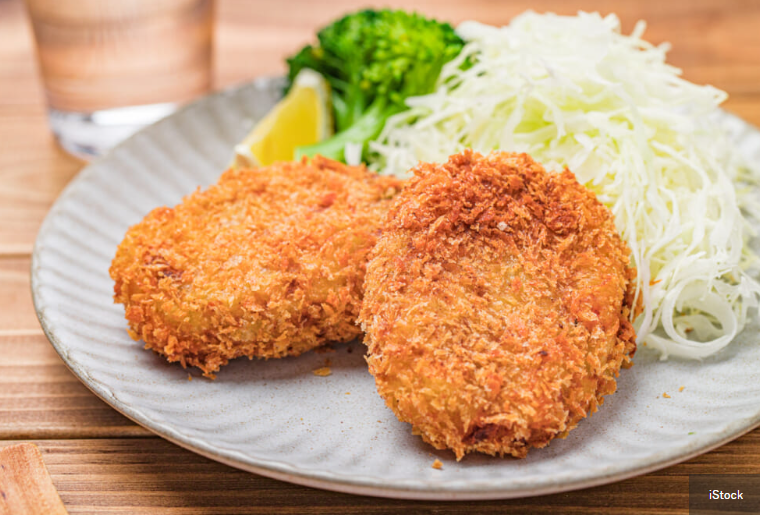
Biting into a croquette, you get the best of both worlds: a crisp, golden coating on the outside and a creamy filling. It’s widely thought they originated in France, with records dating back to the 1600s. Similar recipes can be found throughout Europe and Asia, making this dish a favorite worldwide. The English name is taken from the French word croquer, which means “to crunch.”
Like many popular Western-style dishes, croquettes probably first appeared in Japan during the Meiji Period. The classic French version uses a béchamel sauce (also called a white sauce), made by heating butter and flour in milk or cream. Dairy products, however, were not familiar to most Japanese at the time.
In 1895, a Japanese women’s magazine introduced a recipe for “korokke,” which could easily be made at home using potatoes. Over time, this became the standard in Japan. In order to separate the two kinds, the French version was called a “cream croquette.” While some people believe that Japan was the first to invent the potato croquette, that isn’t actually true. Potato-based versions existed before this in other countries, including Germany and Austria.
Korokke, curry and tonkatsu became known as the “Big Three Western Foods” in the Taisho Era. They represented major changes in Japanese cuisine. As frozen food technology developed, croquettes were introduced in school lunches in the 1950s.
Today they’re still a very popular dish among Japanese families. Many people have warm memories of their mother’s homemade croquettes. They can be time-consuming to make at home, but fortunately, you can find them in any supermarket or convenience store.
There’s even a Japan Croquette Association, started in 2012 by some passionate fans. The association’s activities include holding events to promote the members’ favorite food and organizing the Croquette Grand Prix, where fans choose the most delicious korokke. According to the results of the eighth Grand Prix, the winning dish was a cheese fondue korokke from Hokkaido. Voting is now open for the ninth Grand Prix on the group’s website (https://www.croquette.jp/).
Takutoshi Takeuchi, who lives in Saitama, is the director of the association. He says one of the main reasons for the popularity of korokke is that you can enjoy them in so many ways. “Almost anything can become a croquette filling. Moreover, seasoning can be customized — either by changing the flavor of the filling to suit your tastes, or by adding sauces on the outside.”
Another reason for their success may be the use of panko (breadcrumbs made from Japanese milk bread). Because panko are lighter and larger than Western breadcrumbs, they become crispier and less greasy when fried. They are perfect for making crunchy, golden croquettes.
Finally, the world’s largest croquette was produced in Assabu, Hokkaido, in 2022. The residents of the small town used 600 kg of potatoes and 200 eggs to make it! The final product weighed 279 kg and was certified by Guinness World Records. That’s more than enough for even the biggest croquette fan.
日本語:“キツネ色でサクサクのコロッケ”
コロッケにかじりつくと、両方の世界の最高の部分を楽しめる。外側のサクサクしたキツネ色の衣と、クリーミーな具だ。コロッケはフランス生まれだと広くみなされていて、その記録は1600年代までさかのぼる。類似の料理法はヨーロッパとアジアで見られ、この料理を世界中で人気のものにしている。英語の名称はフランス語の「croquer」から来ていて、「噛み砕く」という意味だ。
人気の西洋料理の多くと同様、日本ではコロッケはおそらく明治時代に初めて登場した。伝統的なフランス式コロッケは、バターと小麦粉を牛乳または生クリームの中で温めるベシャメルソース(ホワイトソースとも呼ばれる)を使う。しかし、当時のほとんどの日本人は乳製品になじみがなかった。
1895年に、じゃがいもを使って自宅で簡単に作れる「コロッケ」のレシピを日本の女性誌が紹介した。そのうちに、これが日本で標準的なものになった。2種を区別するために、フランス式は「クリームコロッケ」と呼ばれた。じゃがいものコロッケを考案したのは日本が初めてだと考える人もいるが、実はそれは真実ではない。じゃがいもをベースにしたバージョンはそれ以前に、ドイツやオーストリアなどに存在していた。
コロッケ、カレー、とんかつは、大正時代に「3大洋食」として知られるようになる。日本の料理の大きな変化の象徴となった。冷凍食品技術が発達し、コロッケは1950年代に学校給食に導入された。
今でもコロッケは、日本の家庭で人気の高い料理だ。母親の手作りコロッケに温かい思い出がある人が多い。自宅で作るには時間がかかるかもしれないが、幸いコロッケはどんなスーパーやコンビニにもある。
日本コロッケ協会まである。2012年に熱心なファン数人によって始められた。同会の活動は、メンバーのお気に入りの食べ物(コロッケ)を広めるイベント開催、ファンが最もおいしいコロッケを選ぶコロッケグランプリの企画などだ。第8回コロッケグランプリの結果によると、優勝した料理は北海道のチーズフォンデュコロッケだった。第9回グランプリの投票は現在、同会のウェブサイトで受け付け中だ(https://www. croquette.jp/)。
同会事務局長は埼玉県在住の竹内琢俊さん。コロッケの人気の主な理由の一つは、さまざまな楽しみ方があることだと、彼は話す。「ほとんど何でもコロッケの具材になります。さらに、具材の味付けを好みに合うように変えたり、外側にソースをかけたり、味付けをカスタマイズできます」。
コロッケが成功したもう一つの理由は、パン粉(食パンから作られるパンの粉)を使っていることかもしれない。パン粉は西洋のパンの粉よりも軽くて大きいので、揚げたときによりサクサクになり、脂っこさが少ない。サクサクしたキツネ色のコロッケを作るのに日本のパン粉は最適だ。
最後に、世界最大のコロッケは2022年に北海道の厚沢部町で作られた。それを作るのに、この小さな町の住民はじゃがいも600キロと卵200個を使った! 完成品は重さ279キロで、ギネス世界記録に認定された。最大のコロッケファンでさえも十分すぎるものだ。
Copyright The Japan Times, Ltd.
原文を読む≫